Delivery Infra
Practical guidance and workforce insights for modern delivery professionals navigating AI, cloud and technical change.Built for Project Managers, Business Analysts, Product professionals and operational teams working in increasingly technical environments.
Start Here
1. Cloud Fluency Starter Guide
Framework-first cloud literacy for non-engineering PMs navigating technical delivery environments.
Free download delivered instantly via email. Check your inbox after subscribing.
2. Delivery IndexMonthly workforce intelligence tracking how AI, cloud and operational expectations are changing across delivery roles.
About
I started out (many moons ago!) my career in "tech" as a help desk analyst/trainer. Thereafter, I transitioned into roles which increasingly demanded more technical acumen from Business Analyst, O&M Support Management and Project/Program Management.Here, I share the practical information I wish I had navigating imposter syndrome, largely due to my non-engineering background. I'm genuinely grateful for every team and project that shaped what I know. Most of all, the ones that challenged me toward growth.Today, I'm focused on understanding how AI, cloud adoption and workflow transformation are reshaping delivery work, and helping other technical delivery professionals navigate that shift with more clarity than I had.Delivery Infra exists to make technical environments more understandable, practical and operationally actionable. If you've ever been in technical rooms and felt out of place, this is especially for you.
Resources
Research, frameworks and operational insights for modern technical delivery individuals and teams navigating AI, cloud and workforce transformation.
Featured Resources:The Cloud Fluency Starter Guide is the resource I wish I had when I began navigating technical rooms. This framework-first guide is tailored for Project Managers navigating technical delivery environments.
14-page PDF • Framework-first • Built for non-technical PMs
Free download delivered instantly via email. Check your inbox after subscribing.
Issue 001 | June 2026 now available below!
Delivery Index:The Delivery Index tracks how PM, BA and technical delivery roles are evolving across federal and private sector organizations through recurring job posting analysis. Findings are directional and practitioner focused, designed to give delivery professionals operational insight rather than broad labor market statistics. Insights will include:- AI adoption
- Cloud expectations
- Tooling ecosystems
- Implementation maturity
- Operational complexity
- Federal vs Private sector trends
Current Issue: The Delivery Index, Issue 001 (June 2026)A baseline analysis of 204 technical delivery job postings across federal contracting and private-sector organizations.Highlights:
- 204 analyzed job postings
- 12 delivery role categories
- Federal vs. Private Sector comparison
- AI, cloud, tooling and credential trends
- Practical workforce insights
Subscribe to Delivery Infra on Substack for Delivery Index updates and new resources.
Work With Me
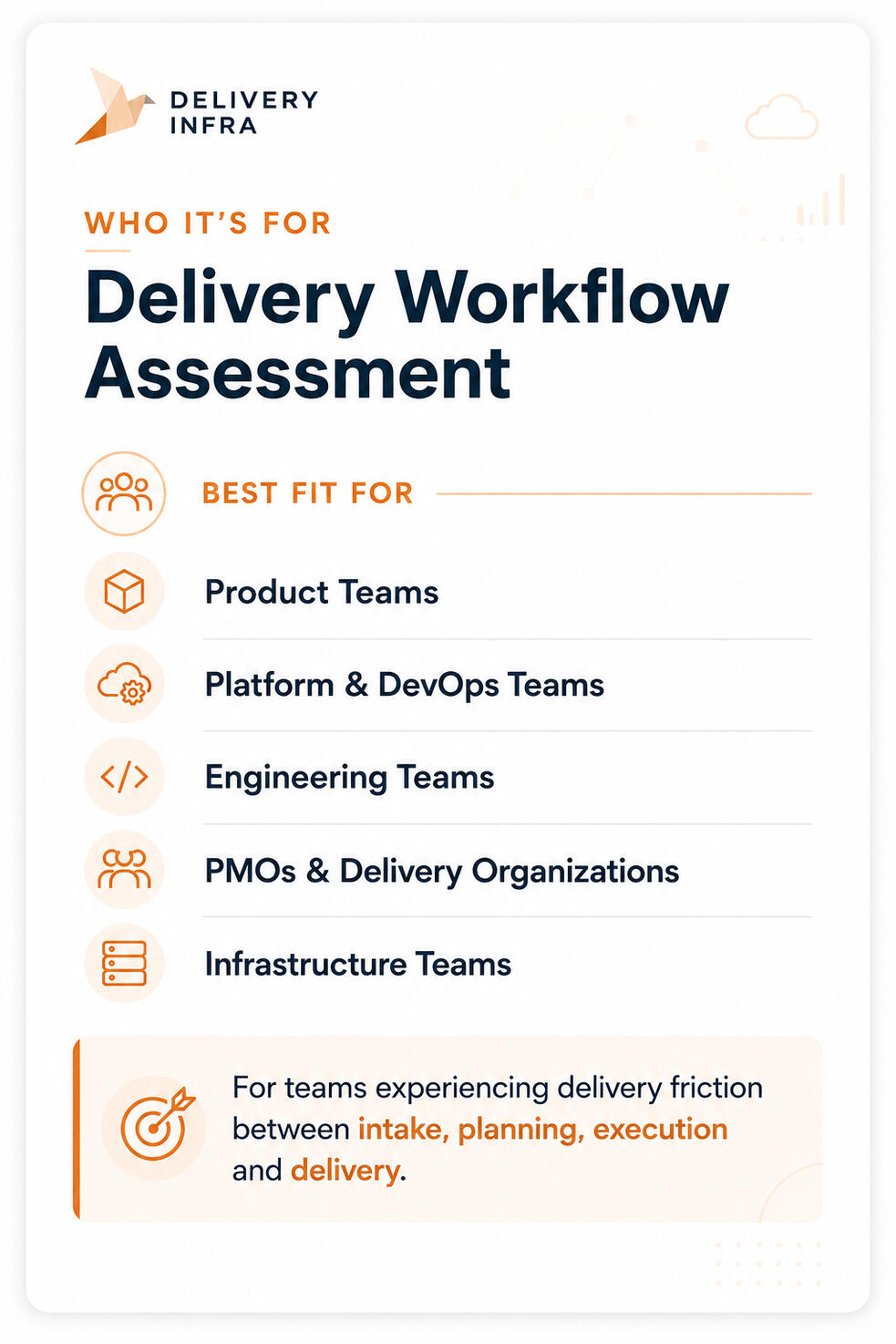
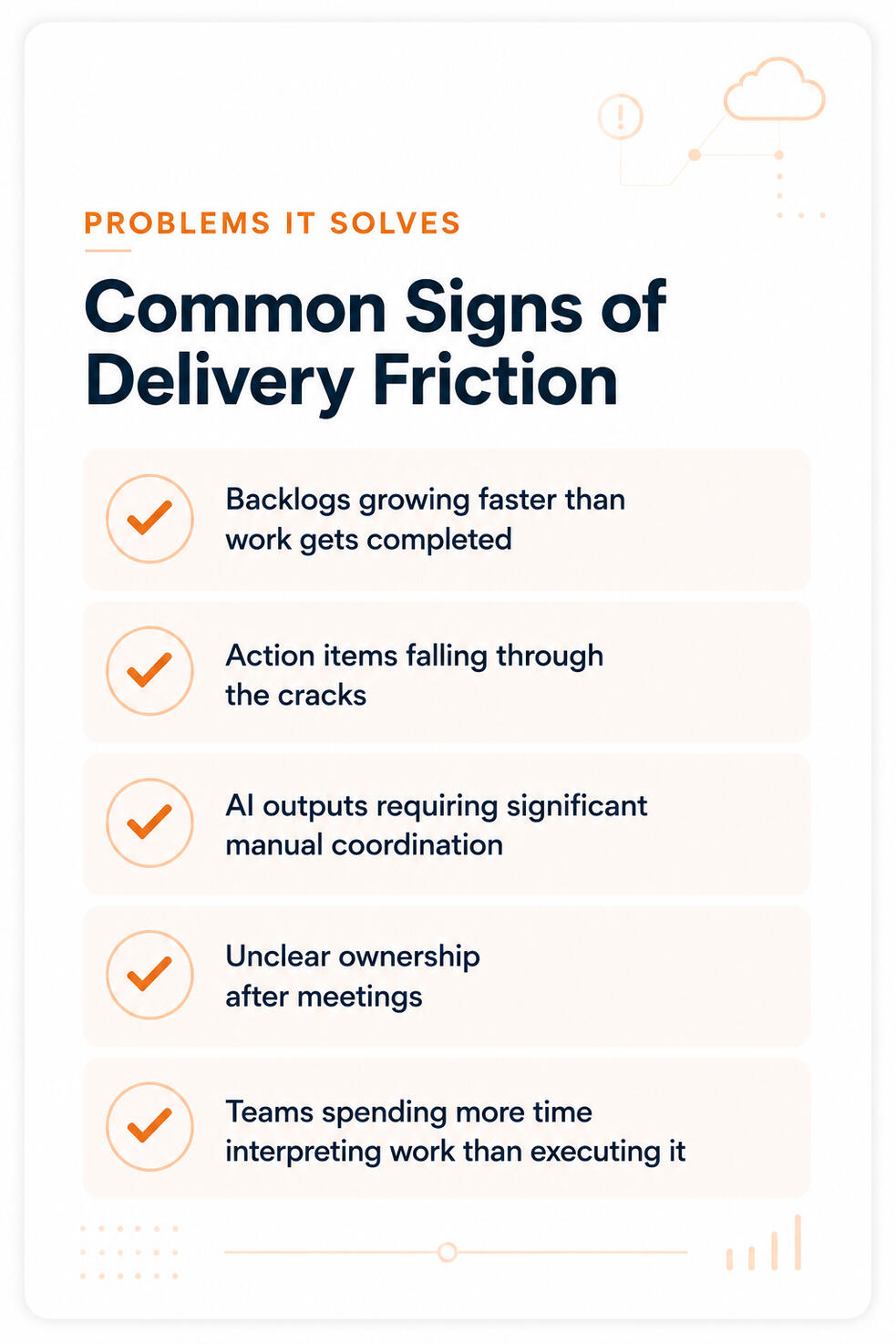
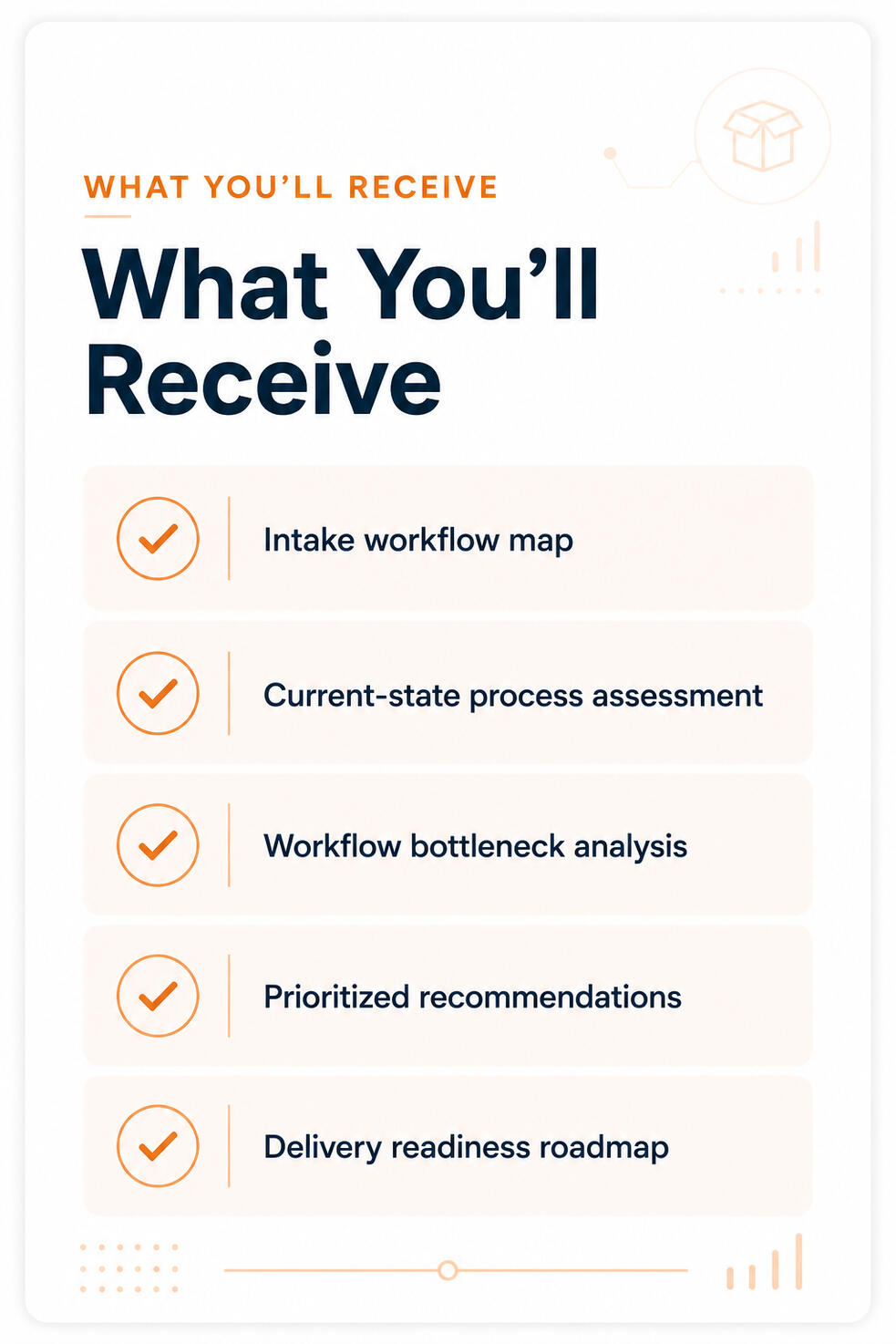
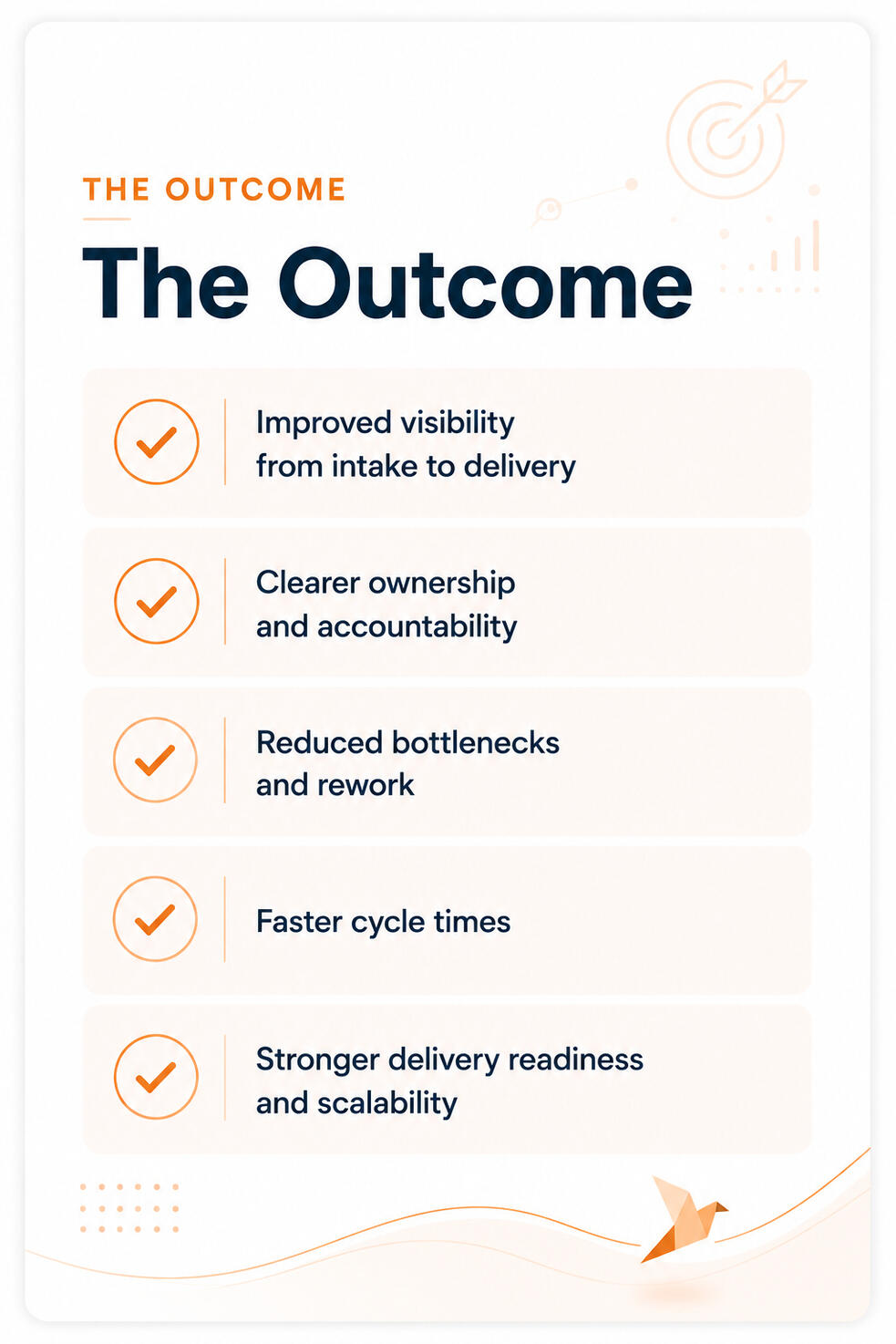
Now Booking Discovery Calls! • Delivery Workflow Assessments Begin June 25
Book a 20-min Discovery Call
Connect
Whether you’re navigating technical delivery without an engineering background, leading teams through complex delivery challenges or simply interested in the future of technical delivery, I’d love to connect!

You can find me on Linkedin and Substack, or reach me via Email.